Skip to content

Research

What we work on

We develop machine learning methods for relational and multimodal data, with a focus on interpretability, robustness, and adaptation. Our research connects these methods with problems in social computing, industry, and healthcare.

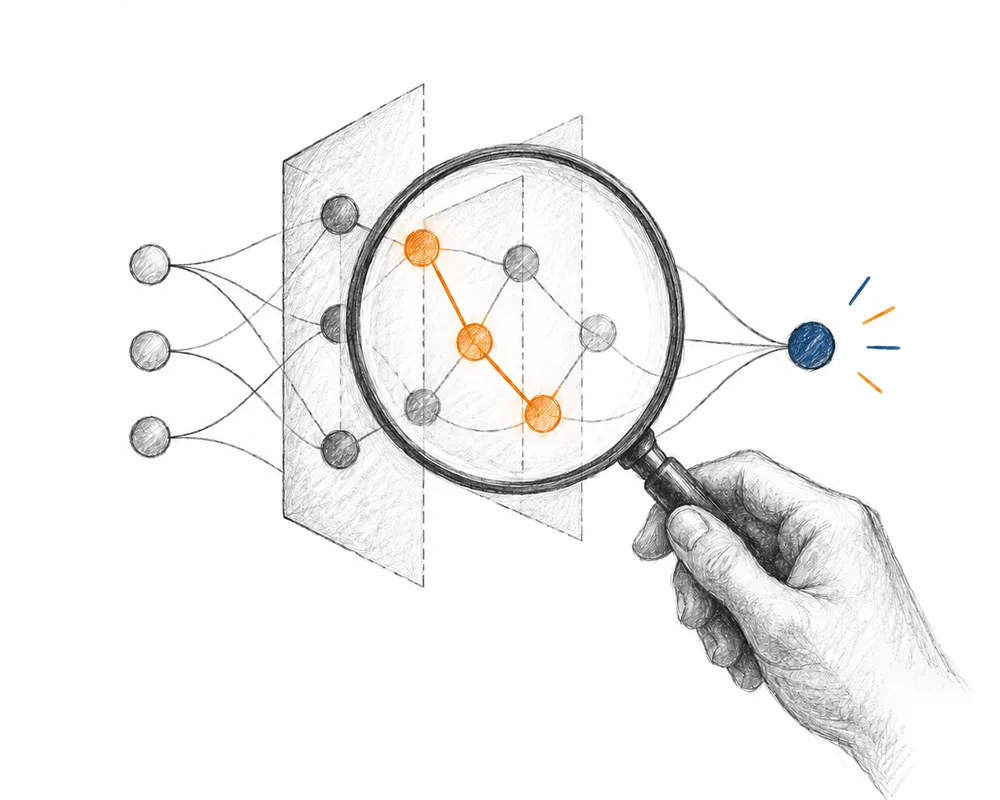
Trustworthy and Explainable AI

Can a model's explanations be inspected and relied upon when the stakes are high?

We study self-interpretable models and why their explanations are unstable. Our recent work points to redundant input features rather than architecture alone as a main source of inconsistency, and shows that consensus distillation can improve explanation consistency and accuracy within a single model. We also work on causal debiasing for language models and on uncertainty-aware learning for IP geolocation and graph anomaly detection, where assessing predictive uncertainty is important.
Representative work

Graph Learning

How do we detect anomalies and make reliable predictions on relational data?

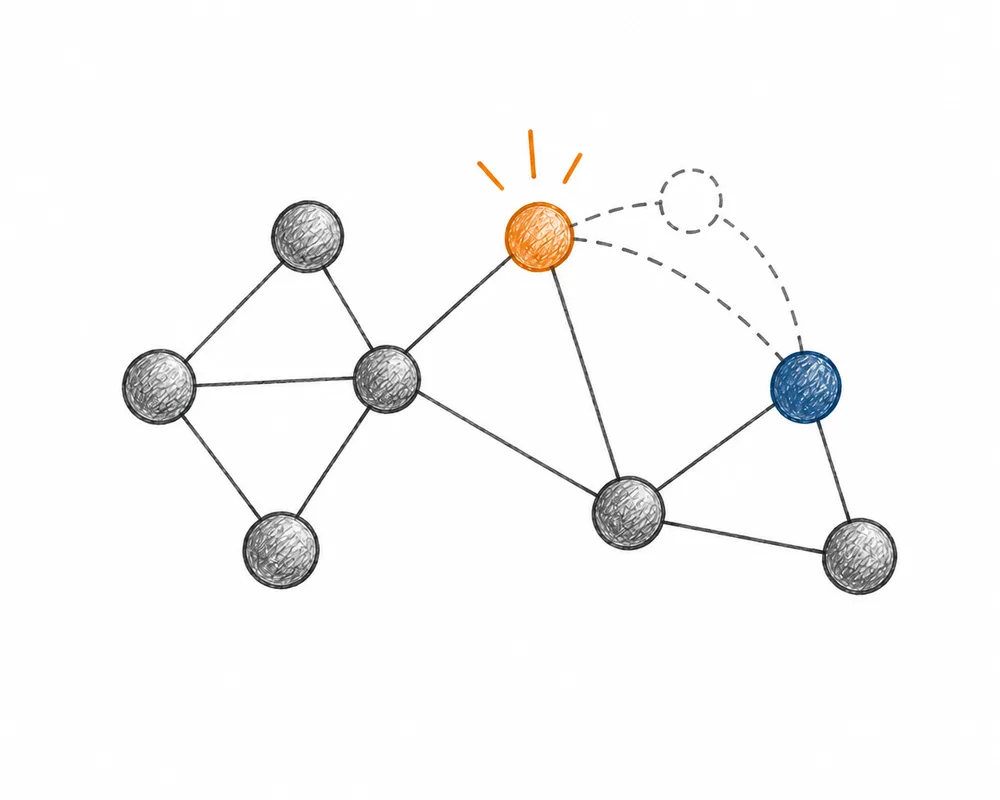
We develop graph neural networks and temporal graph models, with an emphasis on robustness: detecting anomalous nodes and graphs, and handling structure or attributes that shift at test time. Representative results include motif-consistent counterfactuals for graph-level anomaly detection, models that reconcile attribute and structural anomalies, and uncertainty-aware graph learning for street-level IP geolocation.

Representative work

Social Computing

How does multimodal content spread, and how can harmful content be identified?

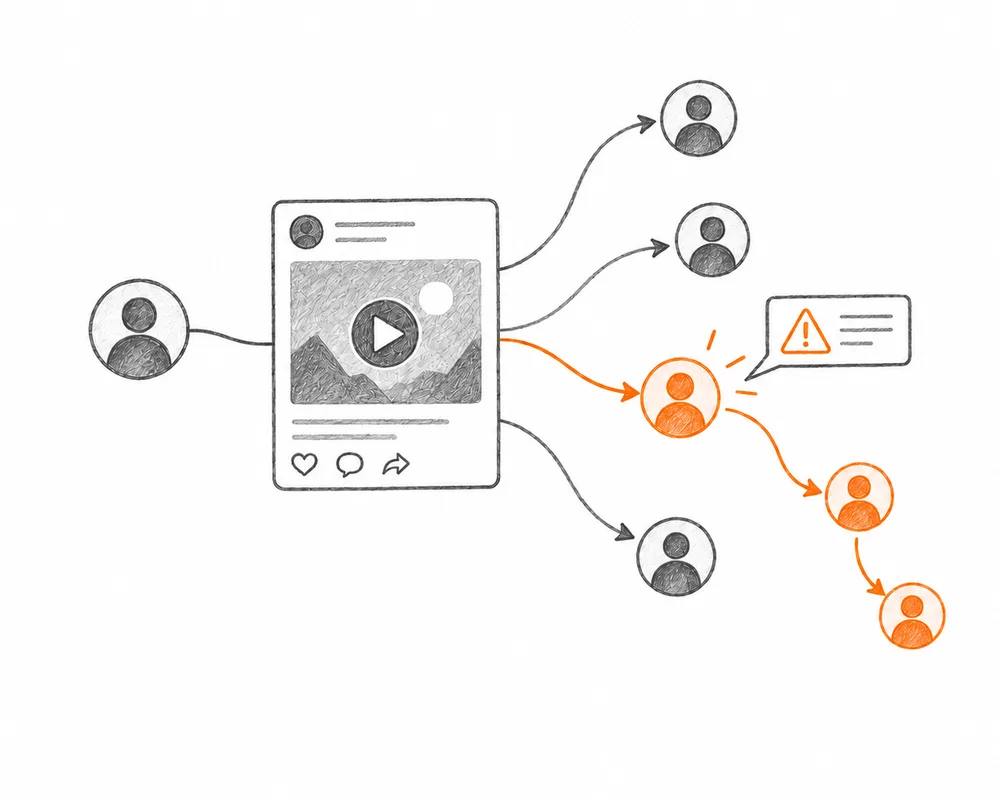
Our work in social computing is multimodal. We predict content popularity, model how information diffuses through networks, and detect harmful material such as rumors, hate speech, and malicious memes. Representative results include retrieval-augmented hypergraphs and self-correlation retrieval for micro-video popularity, chain-of-thought reasoning for explainable rumor detection, and disentangled cascade models for information diffusion.

Representative work

Foundation Models and Agents

How do we adapt large pretrained models to new domains, and what can agents built on them do reliably?

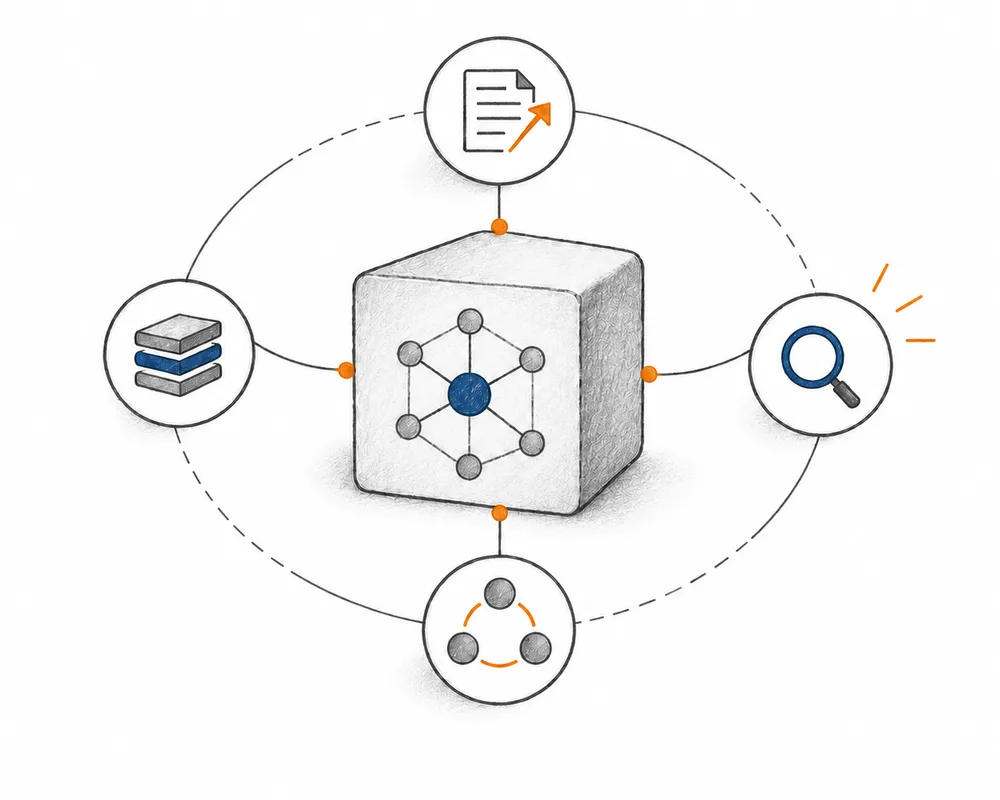
We study the adaptation of pretrained models and collaboration among agents. Our work covers retrieval-augmented and prompt-based adaptation for incomplete or noisy multimodal data, and multi-agent systems that plan, use tools, and divide work across specialised models. Agent safety and control is an emerging direction in our research.

Representative work

AI for Industry and Healthcare

What changes when these methods meet scarce, irregular, or sensitive real-world data?

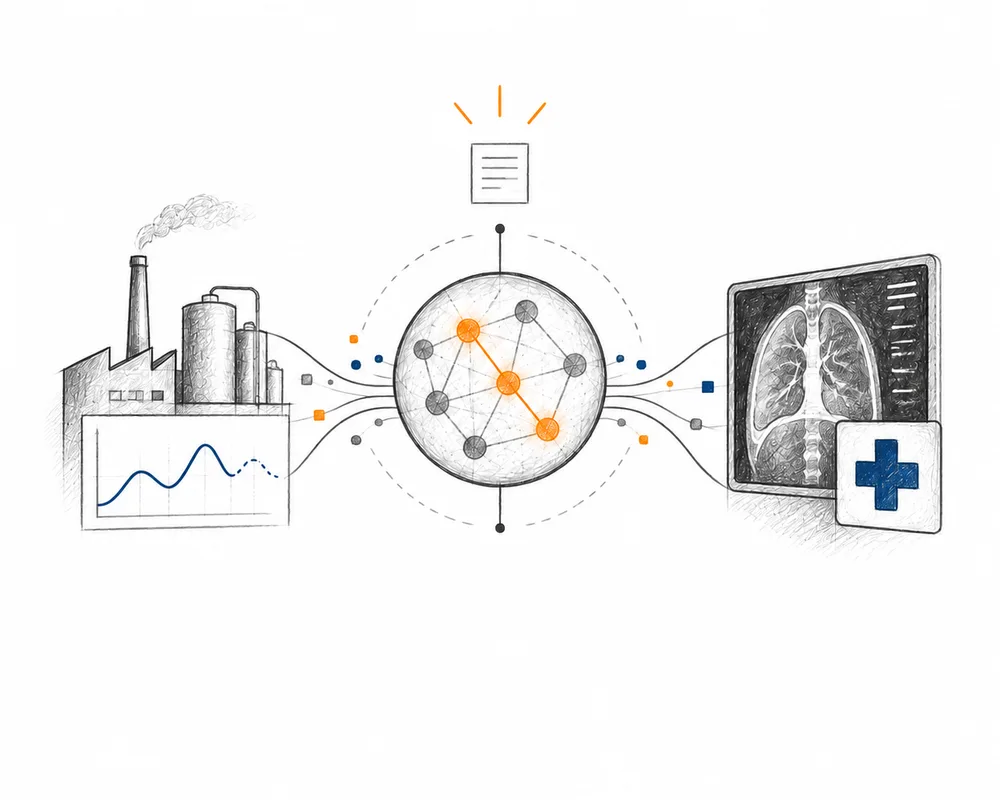
We apply our methods to forecasting and decision problems in energy, finance, and medicine, where data is often scarce, irregular, or sensitive and prediction errors carry real cost. Examples include generative flow models for reservoir inflow forecasting in hydropower, relational fusion with neural ODEs for stock selection, and interpretable models for medical imaging and biometrics.

Representative work

See all publications →